men’s dress shirt measurements guide
Category : Guide
Mens Dress Shirt Measurements Guide
Navigating the world of men’s dress shirts requires understanding fit, as expertly curated selections demand precision for optimal style and comfort.
Achieving a proper dress shirt fit is paramount for a polished and confident appearance. It’s more than just selecting a size; it’s about understanding how a shirt should complement your body shape. A well-fitted shirt enhances your physique, allowing for comfortable movement and a professional silhouette.
Consider that dress shirts aren’t one-size-fits-all. Variations in body type necessitate accurate measurements to avoid common issues like a constricted neck, overly long sleeves, or a gaping front. Ignoring fit can detract from even the most expensive suit. This guide will empower you to confidently navigate sizing charts and select shirts that truly fit, ensuring you always look and feel your best.
Why Accurate Measurements Matter
Inaccurate measurements can lead to a frustrating and costly experience when purchasing dress shirts. A shirt that doesn’t fit properly undermines your overall appearance, appearing sloppy or ill-fitting, regardless of the garment’s quality or price. Beyond aesthetics, a poor fit impacts comfort, restricting movement and potentially causing discomfort throughout the day.
Precise measurements ensure you select a shirt that flatters your physique, highlighting your best features. This is especially crucial for online purchases where trying on isn’t possible; Taking the time to measure correctly minimizes returns and guarantees a shirt that aligns with your body’s unique proportions, ultimately saving you time and money.
Tools You’ll Need for Measuring
Fortunately, obtaining accurate measurements doesn’t require specialized equipment. A flexible measuring tape is the primary tool; a cloth or vinyl tape is preferable to a metal one, as it conforms better to the body’s contours. Having a full-length mirror is beneficial for ensuring the tape remains level during measurements, particularly for back length.
A helper can be incredibly useful, especially when measuring back length or shoulder width, ensuring the tape is held correctly and readings are accurate. While not essential, a notepad and pen are handy for recording measurements immediately, preventing errors or forgotten numbers. Comfortable clothing, or ideally, wearing only underwear, provides the most accurate results.

Key Measurements for Dress Shirts
Essential dimensions – neck, shoulder, chest, sleeve length, and back length – form the foundation of a well-fitting dress shirt, ensuring both comfort and style.
Neck Size: The Foundation of Fit
Determining your correct neck size is paramount, as it’s the primary measurement for dress shirt fit. Use a flexible measuring tape to measure around the base of your neck, ensuring the tape is snug but not constricting.
Keep the tape level and positioned where your collar naturally sits. Don’t pull the tape too tight, as this will result in an undersized shirt. Round up to the nearest half-inch if your measurement falls between sizes. A properly fitted collar should allow you to comfortably slip two fingers between your neck and the collar when buttoned.

An incorrect neck size can lead to discomfort and a poor overall appearance; too tight restricts movement, while too loose appears sloppy. Prioritize accuracy for a polished look.
Shoulder Width: Ensuring Comfort and Range of Motion
Accurately measuring shoulder width is crucial for a comfortable and well-fitting dress shirt, impacting both appearance and mobility; This measurement determines how the shirt sits across your upper back and shoulders.
To measure, find the outermost point of one shoulder and the outermost point of the other. Use a measuring tape to measure the straight-line distance between these two points, across your back. Ensure your arms are relaxed and hanging naturally.
A correct shoulder width prevents pulling or bunching, allowing for a full range of motion. Shirts with incorrect shoulder measurements can feel restrictive and look ill-fitting. Prioritize this measurement for optimal comfort and style.
Chest Size: Determining Body Fit
Determining your chest size is fundamental to achieving a flattering and comfortable fit in a dress shirt. This measurement dictates how the shirt will drape across your torso, influencing its overall silhouette.
To measure accurately, stand naturally with your arms relaxed at your sides. Wrap a measuring tape around the fullest part of your chest, typically across the nipples and shoulder blades. Ensure the tape is level and snug, but not constricting.
Exhale normally while taking the measurement. A correct chest size prevents the shirt from feeling too tight or too loose, ensuring a polished and professional appearance. Consider your build when selecting a fit style.
Sleeve Length: Achieving the Right Cuff Position
Proper sleeve length is crucial for a refined look, ideally allowing about half an inch of your shirt cuff to extend beyond your jacket sleeve. To measure, have someone assist you while standing with your arm slightly bent.
Start the measurement at the center back of your neck, running the tape measure down your shoulder, over the elbow, and to your wrist bone. Ensure your arm is relaxed during the process.
An incorrect sleeve length can significantly impact your overall appearance; sleeves that are too short look unprofessional, while those too long appear sloppy. Consider your body proportions for the best fit.
Back Length: For Proper Shirt Length
Determining the correct back length ensures your dress shirt provides adequate coverage without being excessively long or awkwardly short. This measurement impacts how well the shirt tucks into your trousers and maintains a polished silhouette.
To accurately measure, start at the prominent bone at the base of your neck (the C7 vertebra). Run the tape measure down your back, following the natural curve of your spine, to where you desire the shirt hem to fall – typically around the top of your fly.
Consider your torso length and preferred style; a longer back length is suitable for taller individuals or those who prefer a more relaxed fit.
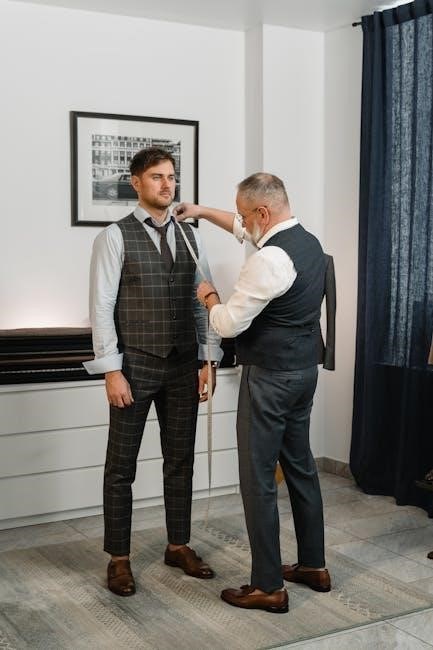
Understanding Shirt Fit Styles
Different shirt fits – slim, regular, classic, and tailored – cater to varying body types and preferences, impacting overall appearance and comfort levels.
Slim Fit: A Modern, Tailored Look
The slim fit dress shirt is designed for a contemporary silhouette, closely following the body’s natural shape. It’s characterized by a tapered waist and narrower sleeves, creating a streamlined and polished aesthetic. This style generally suits men with leaner builds, offering a modern and sophisticated appearance.
However, it’s crucial to ensure the shirt isn’t too tight, restricting movement or causing discomfort. A well-fitted slim fit shirt should allow for a full range of motion without feeling constricting. Pay close attention to the shoulder seams and chest area; they should lie flat and smooth without pulling. Often, slim fit shirts have minimal excess fabric, emphasizing a tailored look ideal for business or smart-casual settings.
Regular Fit: Classic and Comfortable
The regular fit dress shirt represents a timeless style, offering a comfortable and versatile option for most body types. It provides a balanced silhouette – not too tight, nor overly loose – allowing for ease of movement and all-day comfort. This cut features a straighter cut through the chest and waist, with fuller sleeves compared to slimmer fits.
Regular fit shirts are an excellent choice for those who prefer a more relaxed yet polished look; They’re suitable for a wide range of occasions, from business casual to everyday wear. Ensuring a proper fit means the shirt shouldn’t bunch or pull, and the shoulder seams should align with your natural shoulders. It’s a dependable and classic choice for building a versatile wardrobe.
Classic Fit: Traditional and Relaxed
Embodying a timeless aesthetic, the classic fit dress shirt prioritizes comfort and a relaxed silhouette. This style offers the most generous cut of all fits, providing ample room through the chest, waist, and sleeves. It’s designed for those who appreciate a traditional look and value unrestricted movement throughout the day.
Classic fit shirts are ideal for individuals with broader builds or those who simply prefer a looser feel. The shirt will drape naturally without clinging to the body, offering a comfortable and unrestrictive experience. While less tailored than modern fits, a classic shirt still presents a polished appearance when paired with appropriate trousers and accessories. It’s a foundational piece for a sophisticated, yet comfortable, wardrobe.
Tailored Fit: A Balance Between Slim and Regular
Offering the sweet spot between modern and classic styles, the tailored fit dress shirt provides a refined silhouette without feeling restrictive. It’s designed to follow the body’s natural lines, offering a closer cut than a regular fit but with more room to move than a slim fit. This makes it a versatile choice for various body types and occasions.
Tailored fit shirts typically feature a slight taper at the waist, creating a more defined shape. They’re an excellent option for those seeking a polished look that isn’t overly tight or boxy. This fit is particularly flattering for individuals with an athletic build, providing a comfortable yet stylish appearance. It’s a sophisticated choice for both professional and casual settings.
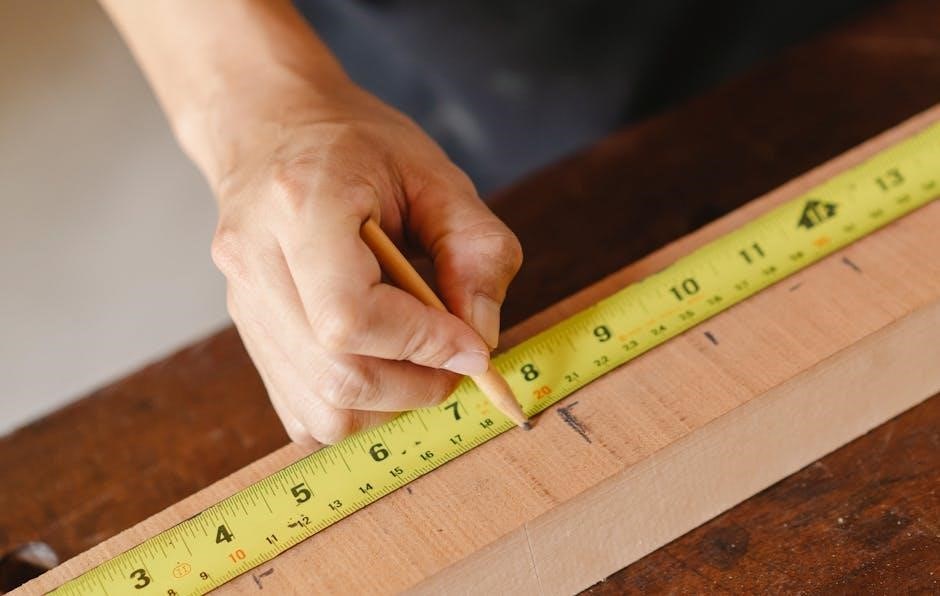
Detailed Measurement Instructions
Precise measurements are crucial for a well-fitting shirt; follow these steps carefully, utilizing a flexible measuring tape for accurate results and optimal comfort.
Measuring Neck Size Correctly
Begin by standing upright and ensuring your posture is relaxed. Wrap a flexible measuring tape around the fullest part of your neck, typically just below your Adam’s apple. The tape should be snug but not constricting – you should be able to comfortably slide a finger underneath it.
Maintain the tape measure horizontally, avoiding tilting it upwards or downwards. Read the measurement where the tape overlaps, rounding to the nearest half-inch. It’s best to have someone else assist you to ensure accuracy;
Remember that your neck size is the foundation of your dress shirt fit, influencing collar comfort and overall appearance. A correctly measured neck size prevents choking or a collar that’s too loose. Double-check your measurement for confidence!
Accurately Measuring Shoulder Width
To determine your shoulder width, you’ll need a flexible measuring tape and ideally, assistance from another person. Stand naturally with your arms relaxed at your sides. Have your assistant measure from the outer edge of one shoulder (where a shirt seam would sit) across your back to the outer edge of the other shoulder.
Ensure the tape measure runs horizontally in a straight line, following the natural curve of your shoulders. Avoid pulling the tape too tightly or letting it sag. This measurement is crucial for ensuring the shirt’s yoke fits comfortably and allows for a full range of motion.
Record the measurement in inches, rounding to the nearest half-inch. A correct shoulder width prevents pulling or restriction when moving your arms.
How to Measure Chest Size
Measuring chest size accurately is vital for a comfortable and flattering fit. Wear a well-fitting undershirt, and stand naturally with your arms relaxed at your sides. Position the measuring tape under your armpits, ensuring it’s level all the way around your chest.
Breathe normally – don’t suck in your stomach or puff out your chest. The tape should be snug but not tight, allowing for comfortable movement. Have someone assist you to ensure the tape remains level and provides an accurate reading.
Record the measurement in inches, rounding to the nearest whole number. This measurement determines the shirt’s body fit, impacting overall comfort and appearance.
Determining Sleeve Length: Wrist to Shoulder
Accurate sleeve length ensures your shirt cuffs fall correctly on your hand, typically revealing about half an inch of shirt cuff beyond your jacket sleeve. Begin by slightly bending your elbow. Have a helper measure from the prominent bone at the back of your shoulder – where a shirt seam would sit – down to your wrist bone.
Keep your arm relaxed and measure along the outside of your arm. Round the measurement to the nearest half-inch. Different shirt styles may require slight adjustments; consider your preferred cuff exposure.
Incorrect sleeve length can significantly impact the overall look, so precision is key for a polished appearance.
Measuring Back Length for Optimal Fit
Proper back length prevents the shirt from feeling restrictive when seated or reaching, and avoids unsightly bunching or a short, cropped appearance. To measure, find the prominent bone at the base of your neck.
Have a helper measure from this point straight down your back to where you want the shirt to end – typically around the top of your trouser waistband. A good guideline is to cover about half of your backside.
Ensure the tape measure is flat against your back and remains parallel to the floor. Round to the nearest half-inch. This measurement is crucial for overall comfort and a flattering silhouette.

Size Charts & Brand Variations
Decoding size charts is essential, but remember brands differ! US, European, and Asian sizing systems vary, demanding careful comparison for a perfect fit.
Standard US Size Charts
Generally, US dress shirt sizes are represented by neck size and sleeve length, expressed in inches. Neck sizes typically range from 14 to 17.5 inches, increasing in half-inch increments. Sleeve lengths commonly start at 30 inches and extend up to 37 inches, also in half-inch steps. A standard chart correlates neck size with chest size; for example, a 15-inch neck often aligns with a 38-40 inch chest.
However, these are averages, and variations exist. Many retailers provide detailed size charts on their websites, linking measurements to specific shirt sizes. It’s crucial to consult these charts before purchasing, as sizing can fluctuate between brands. Remember to measure yourself accurately, and don’t assume your usual size will always fit perfectly. Prioritize a comfortable, well-fitted shirt over relying solely on a number.
European Size Conversions
Converting US dress shirt sizes to European sizes requires understanding the differing systems. European sizes typically utilize centimeters for collar measurements, while sleeve length remains in inches, similar to the US. A US size 15-inch neck generally equates to a European size 38cm. However, this isn’t a direct, universal conversion.

European sizing can be less standardized than US sizing, with variations between countries (Italy, France, Germany). Always consult a specific brand’s size chart for accurate conversions. Many online retailers offer conversion tools, but verifying against the brand’s chart is best. Remember to account for potential fit differences; a European ‘slim fit’ might differ from a US ‘slim fit’. Prioritize accurate measurements in both inches and centimeters for the best results.
Asian Size Considerations
When purchasing dress shirts from Asian brands, be prepared for significant sizing differences compared to US or European standards. Asian sizes generally run smaller, often one to two sizes smaller, sometimes even more. A US size 15.5-inch neck might require a size 40 or 42 in an Asian brand.
Always meticulously review the brand’s specific size chart, as variations exist between manufacturers. Pay close attention to both collar and chest measurements, as these are the most critical. Don’t assume a consistent difference across all Asian brands. Prioritize measuring yourself accurately and comparing those measurements directly to the provided chart. Consider ordering a size up if you’re unsure, as alterations are often easier than trying to expand a shirt that’s too small.
Brand-Specific Size Differences
Even within US or European sizing, significant variations exist between brands. Each company employs unique block patterns and fit philosophies, impacting how their shirts translate to your body. A size 15.5 neck in one brand might fit perfectly, while in another, it could be too tight or loose.
Therefore, relying solely on your usual size is risky. Always consult the specific brand’s size chart before purchasing. Some brands lean towards slimmer fits, while others offer more generous cuts. Reading customer reviews can provide valuable insights into a brand’s sizing tendencies. If possible, try on shirts from the brand in a store to determine your ideal size. Prioritize accurate self-measurement and cross-reference with the brand’s guide.

Common Fit Issues & Solutions
Addressing common fit problems—like tightness, sleeve length, or gaping—ensures a polished look and comfortable wear, requiring simple adjustments or size exchanges.
Shirt Too Tight in the Neck
Experiencing a constricted feeling around your neck when wearing a dress shirt is a common issue, often stemming from an inaccurate neck measurement or a shirt designed with a slimmer cut. If the top button strains or feels uncomfortable, the neck size is likely too small. This discomfort isn’t just about feeling restricted; it can also affect the overall drape of the shirt and how well the collar sits.
Solutions include remeasuring your neck to confirm the correct size and opting for a shirt with a more generous neck opening. Consider a different collar style – a spread collar offers more room than a button-down. If the shirt is otherwise a good fit, professional alterations can sometimes provide a slight expansion of the neckband. Avoid forcing the button closed, as this can damage the fabric and worsen the problem over time.
Sleeves Too Long or Short
Incorrect sleeve length significantly impacts a dress shirt’s appearance and comfort. Sleeves that are too long bunch at the wrist and interfere with jacket sleeves, creating a sloppy look. Conversely, sleeves ending too high expose the wrist in an unflattering way, disrupting the balanced proportions of your outfit. The ideal sleeve length allows approximately ½ inch of shirt cuff to extend beyond the jacket cuff.
To remedy this, accurately measure your sleeve length from the center back of your neck, over the shoulder, and down to your wrist bone. If sleeves are consistently too long or short, consider professional alterations. A skilled tailor can adjust the sleeve length to achieve a perfect fit, enhancing your overall polished appearance and ensuring comfortable movement.
Shirt Gaping at the Buttons
A common fit issue is a dress shirt gaping at the buttons, particularly across the chest. This usually indicates the shirt is too small in the chest or that the shirt’s cut doesn’t align with your body shape. The gap creates an untidy appearance and compromises the shirt’s overall structure, making it look ill-fitting and unprofessional.
To address this, re-measure your chest size and compare it to the shirt’s size chart. Opt for a larger size if necessary, or explore shirts with a more generous cut. If the issue persists, a tailor can adjust the side seams to create a more contoured fit, eliminating the gap and achieving a polished, streamlined silhouette. Prioritize a comfortable, yet tailored, fit.
Shirt Too Boxy or Loose
Experiencing a dress shirt that feels overly boxy or loose suggests it’s too large in the chest, waist, or shoulders. This detracts from a polished appearance, creating a sloppy and unstructured silhouette. A well-fitted shirt should gently follow the body’s contours without clinging or billowing excessively.
To rectify this, consider downsizing to a smaller size, or exploring slimmer fit options. If altering is preferred, a tailor can refine the shirt’s shape by taking in the side seams and potentially adjusting the waist for a more tailored look. Remember, a proper fit enhances your overall presentation, conveying confidence and attention to detail. Prioritize a modern, streamlined aesthetic.
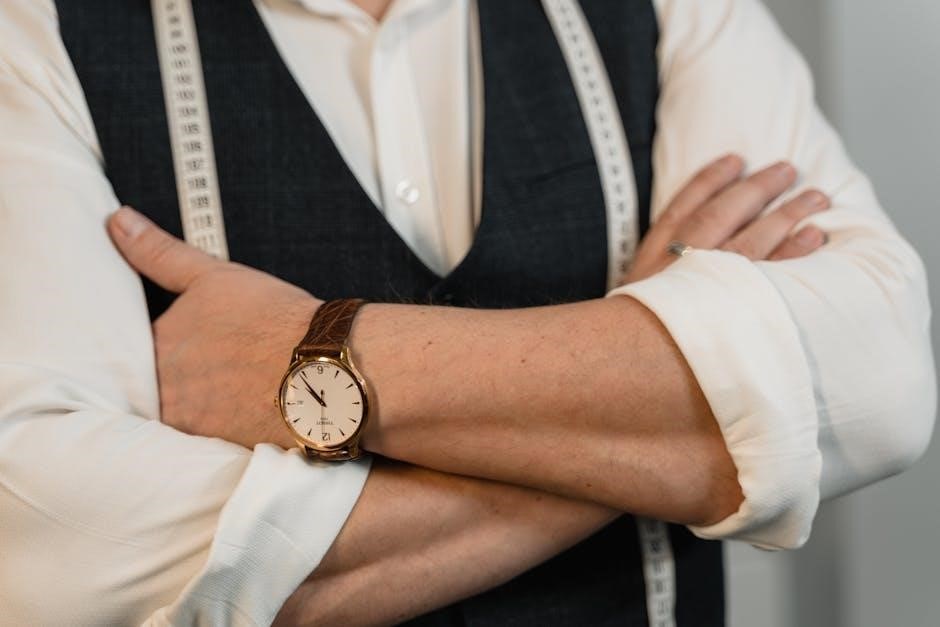
Beyond the Basics: Additional Considerations
Refine your shirt selection by factoring in collar styles, fabric stretch, and potential shrinkage after washing – alterations ensure a perfect, lasting fit.
Collar Style and Neck Size Relationship
The collar style significantly impacts how a dress shirt feels and appears, directly relating to your measured neck size. A wider spread collar, for example, often looks best with a slightly larger neck size to maintain proportion and avoid a constricted feel. Conversely, a button-down or point collar might suit a closer neck fit.
Consider the space between your collar points and your neck; too tight restricts movement, while too loose looks sloppy. Different collar heights also play a role – higher collars generally require a snugger fit. When selecting a shirt, visualize how the collar will sit against your neck and tie knot (if applicable). Experimenting with different styles alongside accurate measurements is key to achieving a polished and comfortable look. Don’t hesitate to try on shirts with varying collar types to find what complements your physique and personal preference best;
Fabric Type and Stretch
The composition of a dress shirt’s fabric profoundly influences its fit and how measurements translate to comfort. 100% cotton shirts, while breathable, generally have minimal stretch and require a more precise fit to avoid restriction. Blends incorporating elastane or spandex offer increased flexibility, allowing for a slightly closer fit without sacrificing movement.
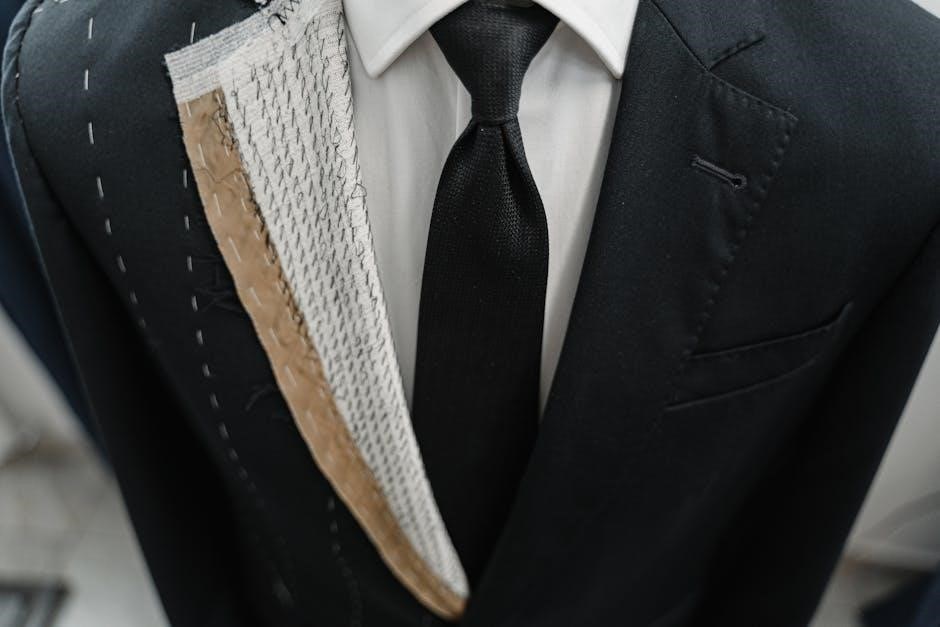
Consider that fabrics like Oxford cloth are typically thicker and less prone to shrinking, while finer fabrics like poplin may shrink slightly after washing. When measuring for shirts with stretch, you might opt for a slightly snugger fit, knowing the fabric will conform to your body. Always check the care label for washing instructions to anticipate potential shrinkage and maintain the shirt’s intended fit over time. Prioritize quality fabrics for lasting comfort and appearance.
Understanding Wash & Wear Shrinkage
Wash-and-wear or “non-iron” shirts often undergo a pre-shrinking process, but some shrinkage can still occur, especially with the first few washes. This is crucial when selecting a size, as a shirt that fits perfectly initially might become noticeably smaller after laundering.
Always check the garment’s care label for specific washing instructions. Higher water temperatures and aggressive dryer settings generally contribute to greater shrinkage. To minimize shrinkage, opt for cold water washes and low-heat drying or, ideally, hang drying. Account for potential shrinkage when measuring, potentially adding an extra half-inch to your neck and chest measurements to ensure a comfortable fit even after repeated washing and drying cycles.
Professional Alterations for a Perfect Fit
Even with careful measurements and size selection, achieving a truly perfect fit often requires professional alterations. A skilled tailor can address nuances that off-the-rack shirts simply can’t accommodate, such as adjusting the sleeve length, tapering the body, or refining the collar fit.
Consider alterations for shirts that are close in size but not quite right. Adjusting side seams, shortening sleeves, or taking in the waist can transform a good fit into an exceptional one. Don’t hesitate to invest in alterations – a well-fitted shirt elevates your entire appearance and boosts confidence. A professional can also advise on maintaining the shirt’s structure and fabric integrity during the alteration process, ensuring longevity and a polished look.